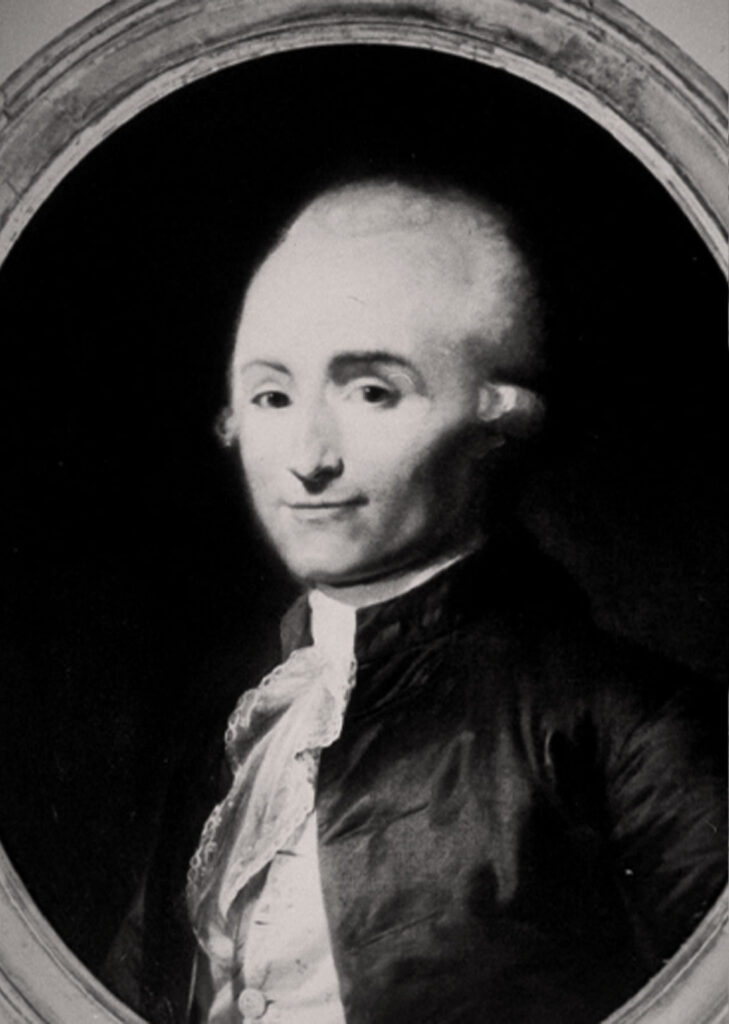
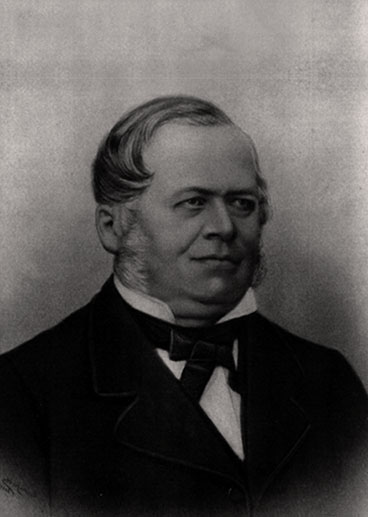
Following a family inheritance, Athanase de Villermont decided to focus his land and efforts on the production of Champagne wines, whose formidable potential he sensed. He joined forces with Jacques Bollinger, who worked in the champagne wine trade, and Paul Renaudin, a champagne grower with a passion for the world of wine, to found the Maison Renaudin-Bollinger et Cie. Three destinies bound by an entrepreneurial ambition and a love of the land. Since its foundation, the Bollinger Group has stood out by being family-owned, and the resulting management style. Today the fifth generation is managing the company and has taken on the responsibility of perpetuating the family legacy.
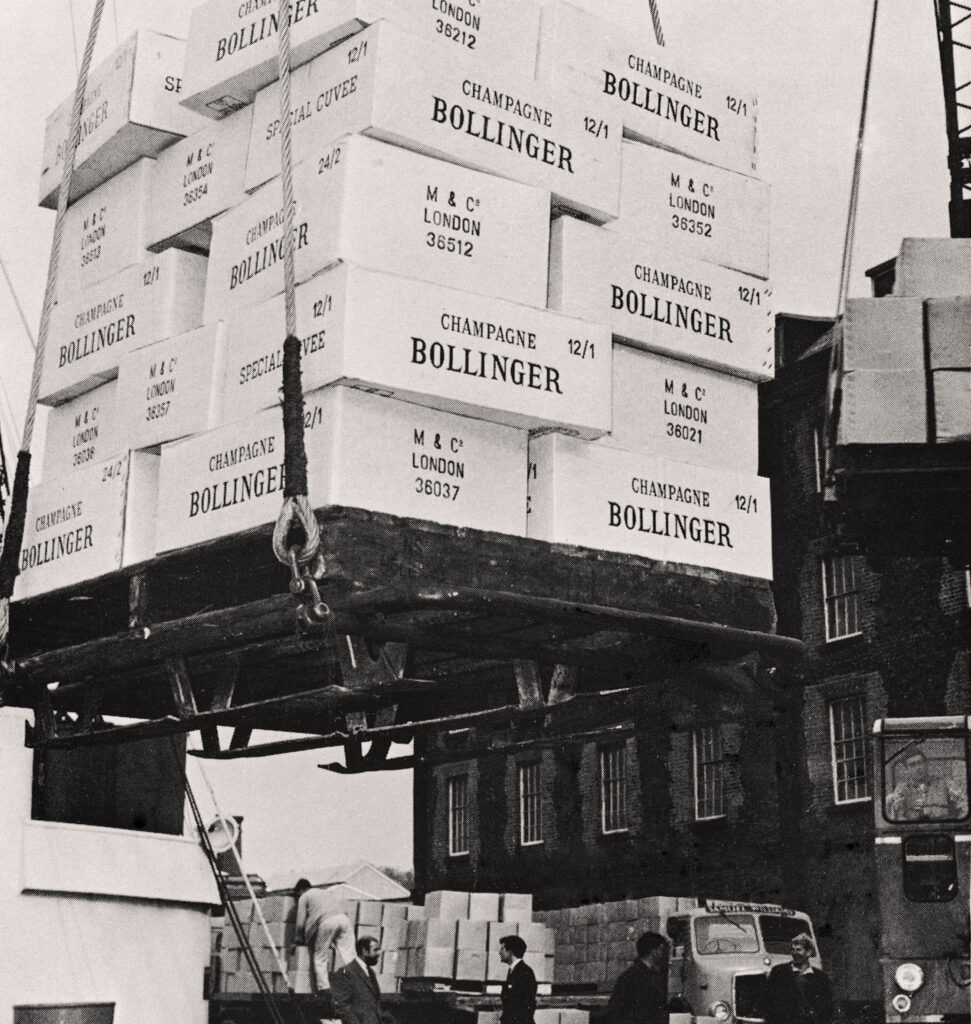
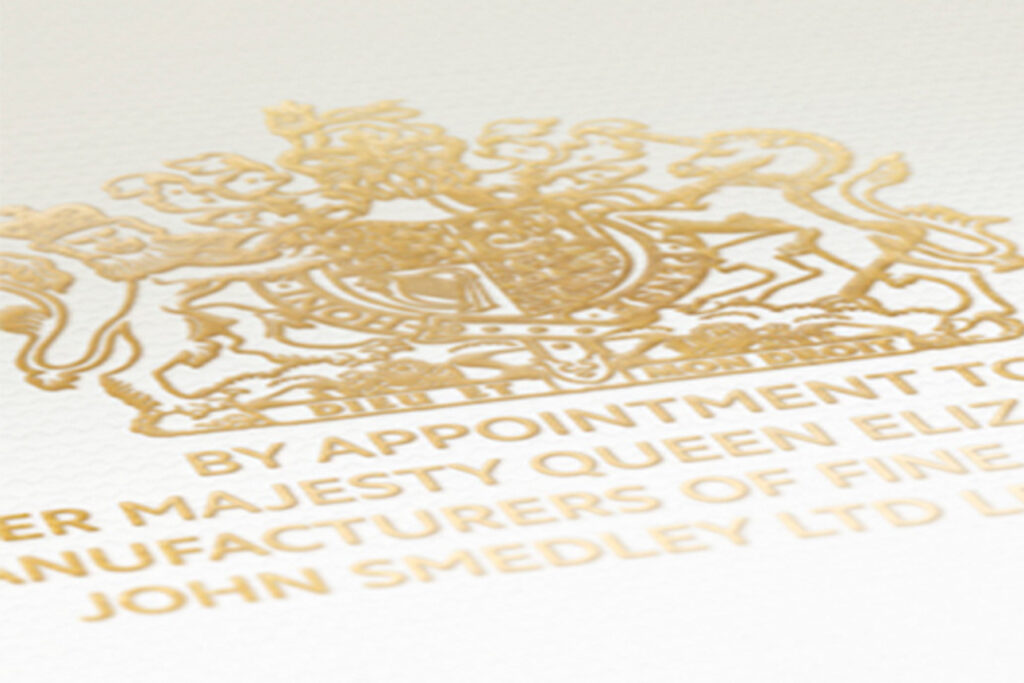
Champagne Bollinger quickly developed close ties with the United Kingdom: from the very beginning, the family-owned house understood the importance of building trusting relationships overseas to promote its champagnes. In 1858, the company joined forces with Mentzendorff, a reference partner, which would oversee the importation of wines into England. In 1884, Bollinger obtained its first “Royal Warrant”, which was renewed five times. A seal of approval and recognition for the house, which joined the very small number of brands to receive the label of the Royal Court.

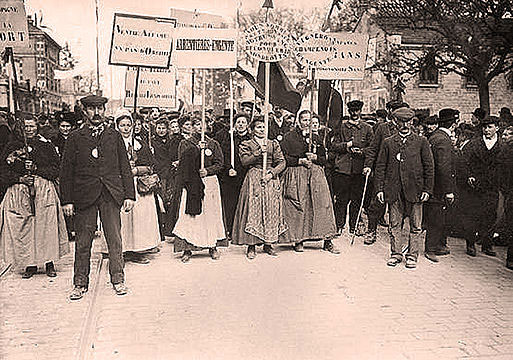
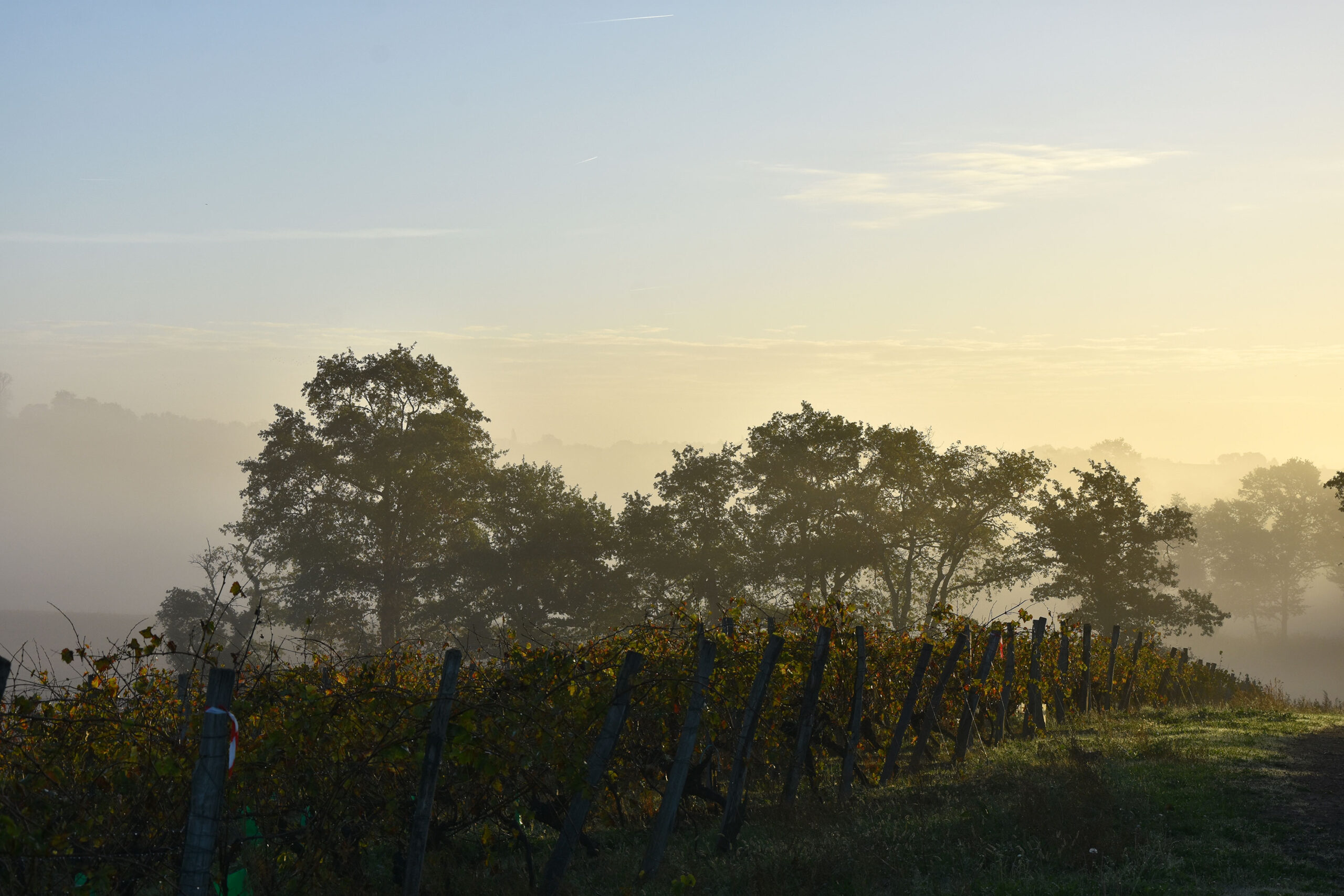
At the end of the 19th century, Champagne suffered from a major episode of phylloxera, which destroyed a large part of the vineyards. The diseased vines had to be pulled up and replanted in better terroirs. The vineyards was reduced from 60,000 to 12,000 hectares as a result. Working together, the wine-growers did everything they could to defend their designation. They won their case in 1936, with the recognition of the specificity and quality of their terroir.
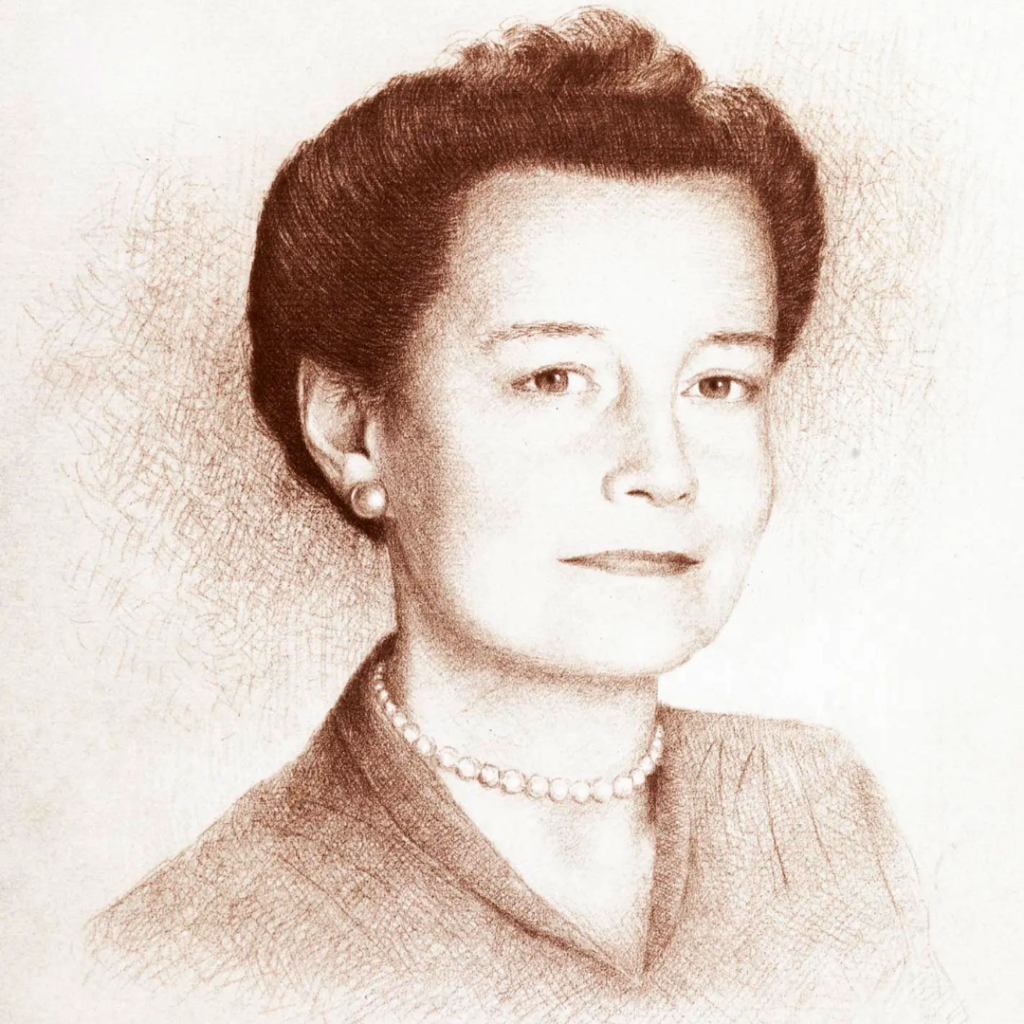
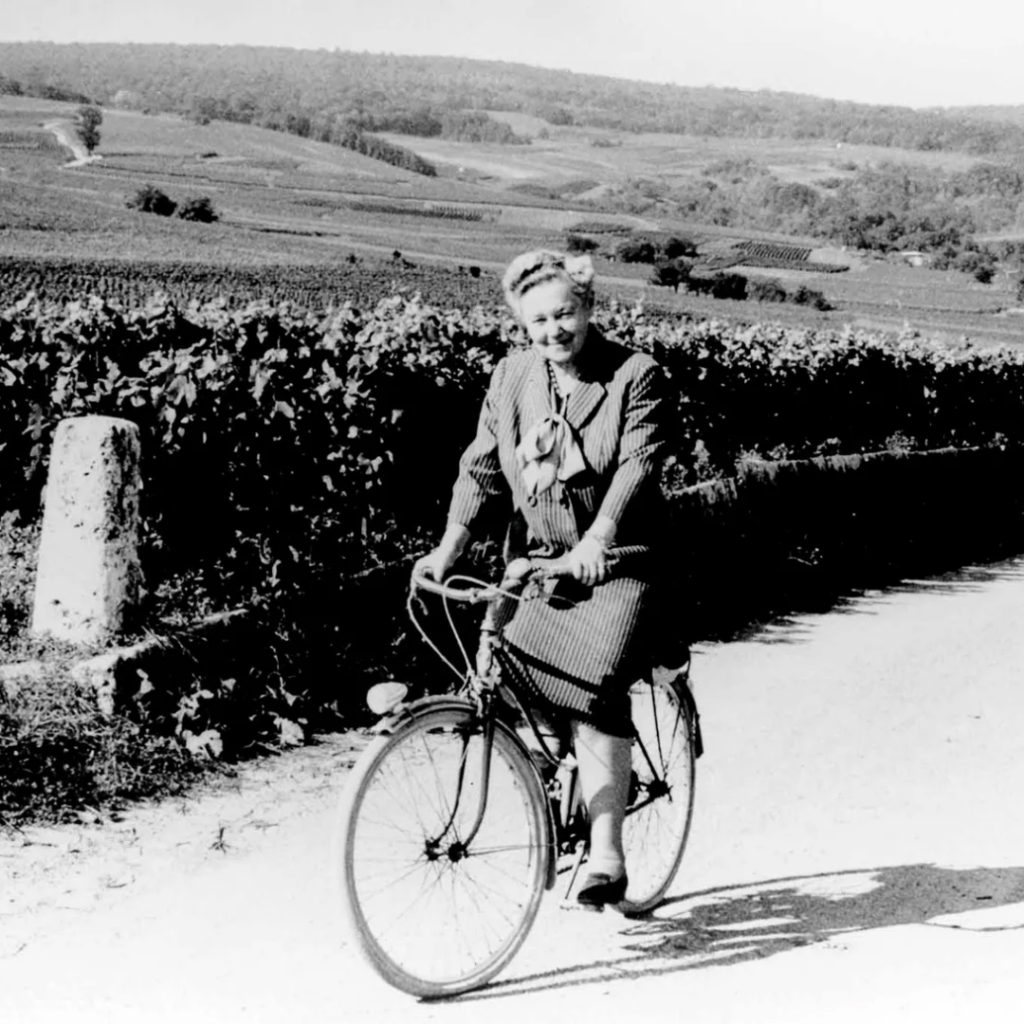
In 1941, on the death of her husband Jacques Bollinger, Elisabeth Law de Lauriston-Boubers, known as Lily Bollinger”, didn’t hesitate to take over from him. France was under German Occupation at the time, and there was a shortage of both labour and equipment. Lily faced up to the situation with courage and determination. A visionary to the core, she intended to make changes to wine production methods. Preserving the traditional techniques such as oak barrel vinification, she innovated with the launch in 1967 of an R.D. – Récemment Dégorgé – champagne, which was an immediate success. Initiated by Lily Bollinger during her visit to America in 1951, the House entered a period of international development. Key partnerships were concluded with the English-speaking markets, making the brands one of the most sought-after champagnes.
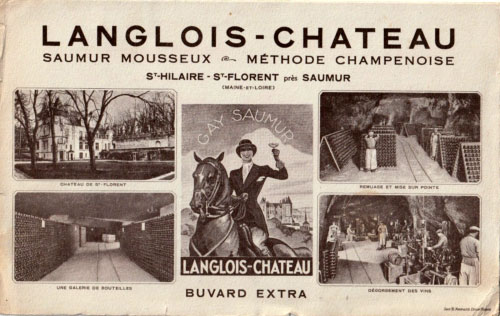
1973 marked a turning point in the Bollinger Group strategy with the acquisition of the Langlois-Chateau crémants de Loire house. A period of acceleration in the development of the Group, which made it a point of honour to ensure that this growth generated meaning and value for all the Houses, without ever sacrificing excellence and quality.
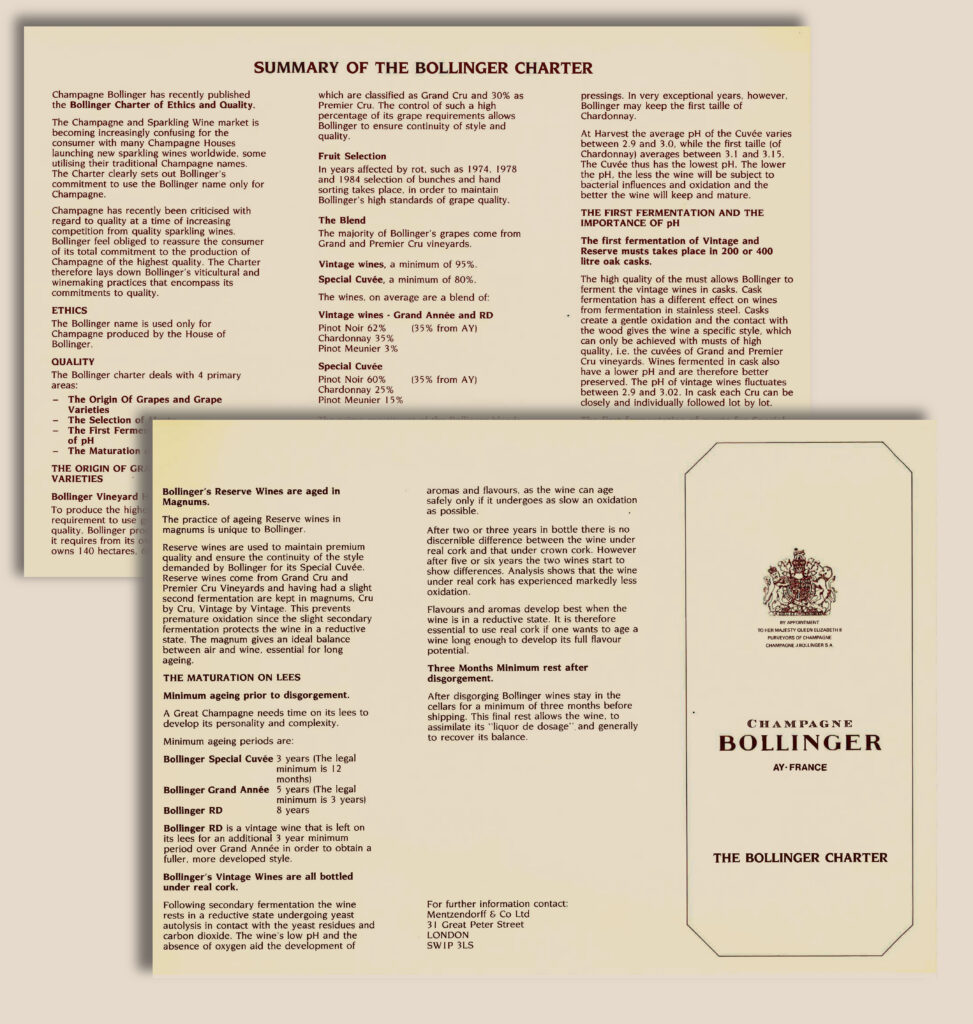
Christian Bizot, nephew to Madame Bollinger, enshrined the champagne Bollinger style in a founding document: the Ethics and Quality Charter. These commitments are at the heart of Bollinger’s expertise, such as the important role of Pinot Noir and the fermentation in oak barrels.
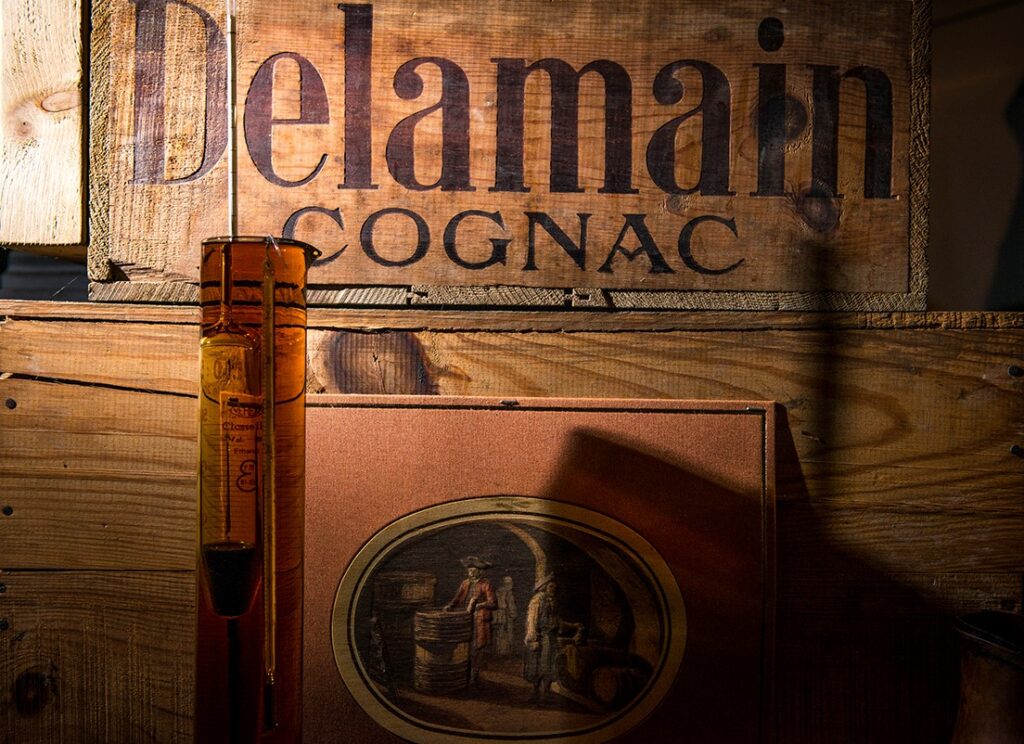
Creation of a distribution company dedicated to the French market.
Acquisition of one of the oldest Bourgogne wine Houses, a specialist in Côte de Beaune premiers crus.
Acquisition of the Ayala estate : a second Champagne company joined the group.
First acquisition of a vineyard outside France with the American vineyard Ponzi (Oregon, USA): a new stage in the Group’s international growth.
Continuation of the diversification into spirits: intrapreneurial creation of Anaë, first organic French grape-based gin.
Acquisition of the Hubert Brochard Sancerre vineyard, which is one of the most renowned terroirs in the Sancerre appellation.